Author: dogbytelab@gmail.com

  • Meta has struggled at selling anything other than ads. Will AI be different?

    Meta has struggled at selling anything other than ads. Will AI be different?

    • Meta is making a major push to expand its business beyond online advertising, including through subscriptions for AI features and services.
    • History shows that success is not guaranteed, as Meta has struggled to find traction in any business that doesn’t involve digital advertising.
    • “It is hard enough to succeed in one business, let alone two,” said Max Willens, an analyst at Emarketer.

    Meta is once again trying to prove it can make money by doing something other than selling ads. It’s not a strategy that’s worked in the past, but CEO Mark Zuckerberg is betting artificial intelligence will bring better results.

    The company said this week that it will begin testing two subscription services for its ChatGPT-like Meta AI app and website. Those paid offerings, available first in Singapore, Guatemala and Bolivia, coincide with the official release of premium subscription plans for Instagram, Facebook and WhatsApp, and higher-tier versions of its verification subscription service, which is designed to help businesses protect their brand.

    Also this week, Zuckerberg said at Meta’s annual shareholder meeting that a potential cloud computing business is “definitely on the table,” a move that could eventually pit the company against Amazon, Microsoft and Google in cloud infrastructure.

    Since Zuckerberg’s company, previously known as Facebook, began selling digital ads almost two decades ago, advertising has been its only real business. In its earnings report last month, Meta said that nearly 98% of its $56.3 billion in first-quarter revenue came from advertising. It’s a remarkably lucrative market, with some of the highest profit margins in the tech industry, and one Meta has long dominated in the U.S., alongside Google.

    Meta just recorded its fastest growth rate for any quarter since 2021, showing that the online ad market is currently as robust as ever. But the rapid emergence of AI has raised questions about what happens if and when users turn to new interfaces for information and are no longer spending so much time on screens where they’re exposed to a constant barrage of links.

    And when Meta has asked consumers and companies to open their wallets for anything other than ads, the answer has generally been no.

    The 2018 debut of the Portal video-calling device was ultimately a bust and was taken off the market four years later. Meta’s $2 billion acquisition of virtual reality hardware startup Oculus in 2014 has yet to produce a breakout VR headset, resulting in the company’s Reality Labs unit racking up over $80 billion in operating losses since late 2020.

    Reality Labs has shifted resources from VR to the more promising AI-powered smart glasses. The company is trying to capitalize on the surprise success of the Ray-Ban Meta glasses, in partnership with EssilorLuxottica, a notable exception for Meta in hardware.

    Then there’s crypto. Zuckerberg jumped into the space in 2019 with a proposed cryptocurrency initiative called Libra. The effort faced intense regulatory scrutiny, resulting in the last remnant of the crypto project shuttering in 2022.

    Trying to sell social media services to businesses has also been a struggle. In 2016, Facebook debuted its business-focused Workplace chat product, only to announce in 2024 that it would eventually close the service.

    ‘New sources of revenue’
    Despite an uphill battle, some analysts are optimistic that Meta can find a new route to revenue in AI. The Meta AI subscriptions announced this week will cost $7.99 and $19.99 a month, depending on certain features and capabilities. The stock rose nearly 4% on Wednesday after the news landed.

    Analysts at Wolfe Research wrote in a note that day that subscriptions could contribute up-to $3 billion in Meta’s total revenue for 2027, growing to $16 billion by 2030. That’s still a small number for a company generating over $200 billion in revenue a year, but it marks a substantial opportunity for Meta in a burgeoning market.

    The Wolfe analysts said they recommend buying the stock “based on our long-term view that the company’s scale, AI investments, category leadership position, and product catalysts should enable META to outgrow the digital advertising market, gain scale, and generate new sources of revenue.”

    Meta declined to comment.

    Max Willens, an analyst at Emarketer, said Meta is a victim of its own success in online ads. Because the company’s core business dwarfs any other efforts, “it can be very hard for a corporate parent to sustain enthusiasm for something that is naturally going to be much smaller, likely forever,” he said.

    “The circumstances around each of Meta’s past endeavors are different,” Willens said. “But I would say that it is hard enough to succeed in one business, let alone two.”

    Willens said the subscription push could be successful if viewed as an aid to online advertising rather than an entirely new line of business. Because some of the new services are tailored to creators and power users, the goal could ultimately be to get more content for Meta’s apps and services and to keep people engaged on Facebook and Instagram for longer, he said.
    Selling technology to enterprises could be a much bigger challenge.

    Shashi Bellamkonda, research director at Info-Tech Research Group, said Meta has a lot of work to do to build an enterprise business “from the ground up, because the company is so focused only on direct to consumers.”

    Bellamkonda characterized Meta’s Workplace offering as seemingly “half-hearted, because they were so focused on only the social aspect of Facebook,” which makes money from ads.

    To successfully compete in the enterprise, particularly in cloud, Meta will have to “ramp up processes, platforms, technology, and most importantly, the manpower” required to operate, maintain, and sell products and services, Bellamkonda said. When it comes to customer support, Meta has been going in the opposite direction, cutting staff through layoffs.

    Zuckerberg made no guarantees that Meta would enter the cloud computing market, which is led in the U.S. by Amazon Web Services, followed by Microsoft Azure and then Google. The reason to do so, he said, would be if it turns out that the company has excess capacity after its hefty investments in AI infrastructure.

    In April, Meta raised its 2026 guidance for AI-related capital expenditures to between $125 billion and $145 billion, up from a prior range of $115 billion to $135 billion.

    Forrester analyst Naveen Chhabra said current cloud computing leaders “are winning because they have developed a huge stack” over the years, while “Meta does not have that, at least not yet.”

    Chhabra noted that past efforts by companies like Verizon and CenturyLink to create cloud businesses out of their vast data center resources didn’t pan out.

    “Historical evidences like telcos jumping in the cloud business hoping their capacity and network can bring business was proven wrong across geos and times,” Chhabra said.

  • Top Wall Street analysts see robust growth potential in these 3 stocks

    Top Wall Street analysts see robust growth potential in these 3 stocks

    The latest earnings season has eased concerns about a potential artificial intelligence bubble. Increased spending by hyperscalers and other companies has reinforced confidence in the demand for AI infrastructure and software solutions.

    Investors keen on capitalizing on the AI boom can track recommendations from top Wall Street analysts, who give key insights into a company’s ability to capture AI-driven demand despite macro uncertainties and rising competition.

    Here are three stocks favored by some of Wall Street’s top pros, according to TipRanks, a platform that ranks analysts based on their past performance.

    Datadog
    AI-powered observability and security platform Datadog
    (DDOG) is this week’s first pick. In early May, the company impressed investors with its market-beating first-quarter results and robust outlook.

    Following an investor webinar with Vikram Thaker, the senior director of North American business at global consulting firm Cognizant, Bank of America analyst Koji Ikeda reiterated a buy rating on Datadog stock and raised his price target to $260 from $225. The analyst said that following the webinar, he is more positive on the demand backdrop for “best-of-breed infrastructure software vendors” such as Datadog and JFrog
    . He believes that these two companies have the ability to surpass Bank of America and the Street’s estimates.

    Ikeda added that the demand for high-quality observability and security platforms like Datadog will increase as enterprises transition to the cloud and AI, making everything more complex. Consequently, he expects the momentum in Datadog’s performance to continue.

    The five-star analyst highlighted that Datadog delivered first-quarter results that were way above estimates. Also, the second-quarter revenue growth outlook of more than 30% reinforced Ikeda’s confidence in DDOG’s potential to generate further acceleration in its growth. He emphasized that new large AI-related deals prove Datadog’s mission-critical positioning and robust AI-led tailwinds.

    “Execution remains top notch, with improving demand trends supporting further beat-and-raise potential,” said Ikeda.

    Ikeda ranks No. 867 among more than 12,200 analysts tracked by TipRanks. His ratings have been profitable 55% of the time, delivering an average return of 10.4%. See Datadog Hedge Funds Activity on TipRanks.

    Micron Technology
    Micron Technology
    (MU) stock is having a solid run this year, thanks to unprecedented demand for memory fueled by the ongoing AI boom and elevated pricing stemming from supply challenges. Despite the impressive rally in MU stock, UBS analyst Timothy Arcuri significantly raised his price target to $1,625 from $535, while reaffirming a buy rating.

    “We believe the market will start to put a more ‘normal’ multiple on the stock and MU will continue to re-rate higher as more details emerge about the structural changes AI has driven to the entire memory complex,” said Arcuri.

    Notably, the five-star analyst again raised his calendar years 2027 to 2029 earnings per share estimates, citing traction in long-term agreements across the memory industry. Arcuri highlighted that these new LTAs are of longer durations, involve fixed-volume commitments, and have a partially fixed pricing structure. They are in contrast to offtake agreements in prior periods, which were simply volume-based.

    Furthermore, Arcuri’s supply chain checks on LTAs across the industry indicate that up to 30% of double data rate memory volumes could soon be locked in at pricing only slightly below current levels. The analyst explained that such agreements will allow Micron to trade some near-term revenue for strong demand visibility and a more stable earnings trajectory.

    Based on these LTAs, Arcuri expects Micron’s EPS to remain easily above $100 over 2027-2029 and expects the company to deliver $400 billion in free cash flow over this period. Specifically, the analyst raised his 2027, 2028, and 2029 EPS estimates to $155, $167, and $117, respectively, from $133, $122, and $77.

    Remarkably, Arcuri ranks No. 2 among more than 12,200 analysts tracked by TipRanks. His ratings have been profitable 81% of the time, delivering an average return of 56.6%. See Micron Ownership Structure on TipRanks.

    Lam Research
    Lam Research
    (LRCX), a provider of wafer fabrication equipment and services to the semiconductor industry, is this week’s third stock pick. The AI-led surge in semiconductor manufacturing has boosted demand for Lam Research and triggered a strong rally in its shares.

    Top Mizuho analyst Vijay Rakesh increased his price target for LRCX stock to $380 from $330 and reiterated a buy rating. His higher price target reflects strength in demand amid elevated WFE spending.

    Rakesh now expects WFE spending to rise 23% to $153 billion in 2026, with 2027 spending to see a 24% surge to $190 billion. In fact, he sees additional upside to these estimates, based on increased capex by Taiwan Semiconductor Manufacturing
    , or TSMC; Samsung; and Micron. Specifically, the total memory WFE investment is projected to be about $112 billion this year.

    “With higher revised 2026E/2027E WFE spend, we now see significant upside to consensus estimates for LRCX, MKSI, and AMAT, with LRCX potentially offering the most compelling estimate upside as the steady outperformer vs. WFE and peers,” said Rakesh.

    Also, the five-star analyst expects the WFE market to continue to benefit from accelerating NAND node transitions, with Lam Research highlighting $40 billion in node transition spending. The majority of this investment is expected before the end of 2027.

    Rakesh ranks highly as well. He is #4 among more than 12,200 analysts tracked by TipRanks. His ratings have been successful 74% of the time, delivering an average return of 79.2%. See Lam Research Statistics on TipRanks.

  • Why Trump reversed course to fast-track psychedelic drugs for mental healthcare

    Why Trump reversed course to fast-track psychedelic drugs for mental healthcare

    • President Donald Trump aims to fast-track research into psychedelic therapy for conditions like post traumatic stress disorder and depression in a break from his first administration policy.
    • Advocates see the move as a major step forward, but there are still questions about safety as studies into the therapies move forward.
    • The push brings both opportunities and risks for patients and the companies developing the therapies.

    Marie Phelan said she had never heard of MDMA before spotting a flyer seeking veterans suffering from post traumatic stress disorder.

    Now, she says the psychoactive drug more commonly known as ecstasy or molly has changed the trajectory of her life.

    “My experience of MDMA was that it just cracked my heart wide open,” said Phelan who enlisted in the U.S. Army Reserve in 1999 and was deployed to Iraq in 2003.

    “I was carrying this big heavy rucksack and I just put it down on the beach and I started unpacking it one little teeny tiny thing at a time and setting each little thing out on the waves,” Phelan said of the release from the treatment.

    Phelan isn’t alone turning to alternative treatments for trauma. She is among a small group of Americans who have undergone psychedelic-assisted therapy through clinical trials studying new approaches to mental health treatment.

    Now, access to those therapies is closer than ever to being expanded more broadly, bringing new options for patients and opportunities for companies — but also new scrutiny about safety and effectiveness.

    In April, President Donald Trump signed an executive order aimed at accelerating research into psychedelic drugs for mental illness. The move came as his administration issued priority review vouchers to three companies developing psychedelic or MDMA-like therapies — Compass Pathways, Usona Institute and Transcend Therapeutics — aimed at speeding up parts of the FDA review process.

    The order marks a notable shift in tone from Trump’s first term, when his administration took a harder stance on cannabis and other controlled substances. This time, the White House said psychedelic compounds “show potential in clinical studies to address serious mental illnesses for patients whose conditions persist after after completing standard therapy.”

    Investors quickly piled into the sector. Shares of psychedelic drug developers such as Compass Pathways and other rivals tied to the space rallied following the announcement, with Wall Street analysts arguing the order could legitimize an industry long viewed as fringe.

    The science, however, remains deeply debated, raising questions about how much room the segment has to grow.

    Inside the lab

    Historically, research into psychedelics has focused more narrowly on certain conditions. Psilocybin — the active compound in psychedelic mushrooms — was tied to treating depression, MDMA-assisted therapy to PTSD and LSD to anxiety.

    While drugs like psilocybin and ibogaine — a psychoactive compound derived from a West African shrub that some advocates believe may help treat addiction and traumatic brain injuries — are considered classic psychedelics, MDMA is technically classified as an empathogen.

    Still, researchers and regulators often group MDMA-assisted therapy within the broader psychedelic medicine field because the treatments involve supervised therapeutic sessions designed to address conditions like PTSD, depression and addiction.

    “One of the things that’s important to recognize is these are all very different drugs,” said Brandon Weiss, a researcher at the Center for Psychedelic and Consciousness Research at Johns Hopkins University School of Medicine. “Ibogaine and other psychedelic compounds have different safety profiles and different risks.”

    Clinical research around some of these compounds has shown promising results. In late-stage trials sponsored by the nonprofit psychedelic research advocacy group Multidisciplinary Association for Psychedelic Studies, roughly 71% of participants with severe PTSD no longer met diagnostic criteria for the disorder after MDMA-assisted therapy sessions.

    The FDA rejected a previous application for MDMA-assisted therapy in 2024, citing concerns around the design of that same late-stage study and the need for additional data. Some psychedelic researchers viewed that decision as evidence the agency remains cautious despite mounting public enthusiasm.

    Countries outside the United States have already begun loosening restrictions. Australia became the first country to allow authorized psychiatrists to prescribe MDMA and psilocybin for certain mental health conditions in 2023. Researchers in Canada, Switzerland and the United Kingdom have also expanded clinical studies examining psychedelic-assisted therapies.

    Even so, Weiss cautions that not all psychedelic compounds carry the same risks — or the same amount of evidence supporting their use.

    “Psychedelic compounds, they have different safety profiles, different risks,” said Weiss. “Ibogaine has particularly high cardiovascular risks, and so what needs to be done is a very measured, methodical weighting of the safety and the efficacy between ibogaine and other compounds.”

    The White House executive order specifically referenced accelerating research of ibogaine. But unlike psilocybin or MDMA-assisted therapy, ibogaine has not undergone large-scale clinical trials in the United States and has been linked to potentially serious cardiovascular side effects.

    Weiss said the real worry among some researchers is not that psychedelic therapies are ineffective, but that political momentum could outpace the scientific process.

    “My biggest concern would be that FDA standards are relaxed for politically motivated reasons,” he said. “It’s not clear that that is the case, but what’s required is a lot more scientific research and a very objective interpretation of the risks and benefits.”

    Kabir Nath, Compass Pathways CEO, said his company is adhering to the same standards the FDA holds for all drugs. He said the company would not have started the process of submitting its drug, COMP360 Psilocybin, for approval in the first place if it felt the data was insufficient.

    Even supporters of psychedelics used as treatment acknowledge the therapies are far more complex than taking a prescription pill at home. Most psychedelic-assisted therapy trials involve hours of preparation with clinicians, supervised treatment sessions and follow-up integration therapy afterward.

    The treatments also come with risks. Patients can experience panic attacks, paranoia, elevated heart rates or psychological distress during sessions. In some clinical environments, doctors use so called “rescue drugs” like benzodiazepines or antipsychotic medications to calm patients experiencing severe adverse reactions or overwhelming hallucinations.

    Phelan said her own experience with MDMA-assisted therapy felt less like intoxication and more like confronting years of trauma in a controlled setting.

    For veterans’ advocates like Juliana Mercer, executive director of nonprofit Healing Breakthrough, the administration’s order represents validation for patients who have spent years pushing for broader access to alternative mental health treatments. Mercer, a U.S. Marine Corps veteran, said psychedelic-assisted therapy “completely changed” her life after she struggled with trauma.

    “One of the things that this experience was able to give me was that permission to heal,” said Mercer.

    Why now?
    As the Trump administration pursues VA staffing cuts and deeper military involvement with Iran, some veterans are increasingly questioning the prioritization of their care.

    Thus, some critics of the Trump administration have said that the executive order’s timing is of particular importance as the president attempts to gain back veteran support ahead of the midterm elections.

    Phelan, however, rejected the idea that backing for psychedelic therapies will translate into into political support for Trump.

    “They’d made so many cuts to veteran benefits and medical services,” Phelan said. “Great, you did a good thing. You did a right thing … I can’t speak for how other people will react, but if that’s the intention, I doubt it’s effective.”

    Some industry executives also argue the executive order may have less immediate impact than headlines suggest. Companies like Compass Pathways were already nearing the final stage of Phase 3 trials before the White House announcement, meaning FDA approval submissions were likely coming regardless.

    Nath, CEO or Compass Pathways, said the order primarily signals broader political acceptance of the field.

    “It certainly gives a significant tailwind, encouragement and validation,” Nath said.

  • Best quotes from the 2026 IISS Shangri-La Dialogue: Defense spending, multilateralism and the future of the Asia-Pacific

    Best quotes from the 2026 IISS Shangri-La Dialogue: Defense spending, multilateralism and the future of the Asia-Pacific

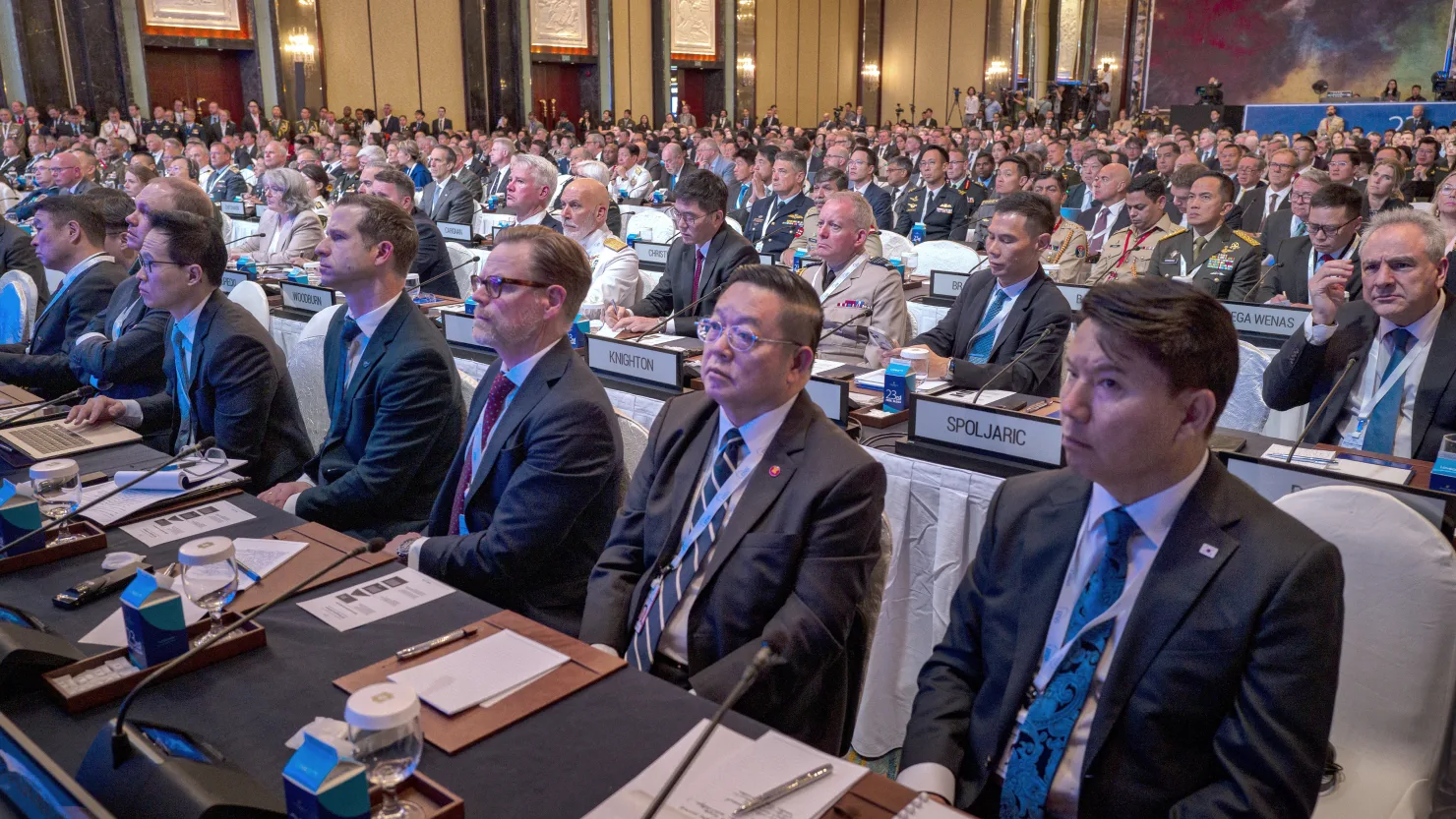
    As Asia’s premier defense summit wraps up, leaders have put forward perspectives on a range of topics in the defense realm.

    Here are some of the most interesting quotes that CNBC has heard during the summit.

    On defense spending

    SINGAPORE, SINGAPORE - MAY 31: Dutch Deputy Prime Minister and Defence Minister Dilan Yesilgoz-Zegerius speaks during the 23rd IISS Shangri-La Dialogue at the Shangri-La Hotel on May 31, 2026 in Singapore. Senior defence officials and military leaders from across the Asia-Pacific and beyond convene at the Shangri-La Hotel in Singapore for the International Institute for Strategic Studies (IISS) Shangri-La Dialogue, one of Asia's premier track-one intergovernmental security forums. (Photo by Ezra Acayan/Gett

    SINGAPORE, SINGAPORE – MAY 31: Dutch Deputy Prime Minister and Defence Minister Dilan Yesilgoz-Zegerius speaks during the 23rd IISS Shangri-La Dialogue at the Shangri-La Hotel on May 31, 2026 in Singapore. Senior defence officials and military leaders from across the Asia-Pacific and beyond convene at the Shangri-La Hotel in Singapore for the International Institute for Strategic Studies (IISS) Shangri-La Dialogue, one of Asia’s premier track-one intergovernmental security forums. (Photo by Ezra Acayan/Getty Images)

    Ezra Acayan | Getty Images News | Getty Images

    Allies who refuse to step up and carry their own weight for our collective defense will face a clear shift in how we do business.

    — Pete Hegseth, U.S. Secretary of Defense

    You have a choice, you’re either on the menu or you’re having a seat at the table, and if you don’t step up with your defense spending, make sure that you are also delivering, then you will be on the menu, and I don’t want the Dutch, the Netherlands be on the menu, I want to have a voice at the table.

    — Dilan Yesilgoz-Zegerius, Netherlands Deputy Prime Minister and Defence Minister

    The Philippines is dead set on building its own resilience by increased defense spending by gearing up for acquiring greater capabilities, more lethal deterrence capabilities, building deterrence, and at the same time broadening its alliances.

    — Gilberto Teodoro, Philippines National Defence Secretary

    The more powerful we are, the more effort we need to spend to reassure others, because ultimately in the defense sector people look at not just capabilities, people look at intention.

    — Chan Chun Sing, Singapore Defence Minister

    Defense is an important part of maintaining our sovereignty individually as countries, and having the ability to get together to complement each other’s capabilities is incredibly important. No one country can do it all alone.

    — General Jennie Carignan, Chief of the Defense Staff of Canada

    On the Asia-Pacific region

    SINGAPORE, SINGAPORE - MAY 29: Vietnamese President To Lam delivers the keynote address during the 23rd IISS Shangri-La Dialogue at the Shangri-La Hotel on May 29, 2026 in Singapore. Senior defence officials and military leaders from across the Asia-Pacific and beyond convene at the Shangri-La Hotel in Singapore for the International Institute for Strategic Studies (IISS) Shangri-La Dialogue, one of Asia's premier track-one intergovernmental security forums. (Photo by Ezra Acayan/Getty Images)

    SINGAPORE, SINGAPORE – MAY 29: Vietnamese President To Lam delivers the keynote address during the 23rd IISS Shangri-La Dialogue at the Shangri-La Hotel on May 29, 2026 in Singapore. Senior defence officials and military leaders from across the Asia-Pacific and beyond convene at the Shangri-La Hotel in Singapore for the International Institute for Strategic Studies (IISS) Shangri-La Dialogue, one of Asia’s premier track-one intergovernmental security forums. (Photo by Ezra Acayan/Getty Images)

    Ezra Acayan | Getty Images News | Getty Images

    The Asia-Pacific is an open space, and all countries with legitimate interests can have a role to play in contributing to its peace, stability, and development…What the region seeks is neither the mere presence nor absence of any major power. What it seeks is responsible commitment.

    — To Lam, President of Vietnam

    While a decent peace is our goal, make no mistake, America is a Pacific nation, and we insist that China respect our longstanding position in the region.

    — Pete Hegseth, U.S. Defense Secretary

    If the one-China principle is upheld, if [there is] no external interference into China’s process of national reunification, then Chinese living on the two sides of Taiwan Strait, we would be fully capable of finding a solution and achieve national reunification, and if that comes, I can assure you any instability in the Taiwan Strait will be removed once and for all.

    — Cui Tiankai, former Vice Minister of Foreign Affairs, China

    Some of you may have heard the term “neo-militarism,” but nothing [is] further from the truth. Think about it. There is a country that has a huge arsenal of nuclear weapons and strategic bombers. Japan has neither of such weapons, and yet Japan is labeled “neo-militarist.” Isn’t it strange?

    — Shinjiro Koizumi, Japan Defence Minister

    [China is] unrepentant with their expansionism and unrelenting, and to deny that would be to be absolutely dishonest… China is not accountable at all, either to their own domestic people, because of the autocratic nature of their government, and they’ve been non-transparent and actually dishonest in their international engagements.

    — Gilberto Teodoro, Philippines National Defence Secretary

    On multilateralism

    SINGAPORE, SINGAPORE - MAY 30: Australia Deputy Prime Minister and Defence Minister Richard Marles speaks during the 23rd IISS Shangri-La Dialogue at the Shangri-La Hotel on May 30, 2026 in Singapore. Senior defence officials and military leaders from across the Asia-Pacific and beyond convene at the Shangri-La Hotel in Singapore for the International Institute for Strategic Studies (IISS) Shangri-La Dialogue, one of Asia's premier track-one intergovernmental security forums. (Photo by Ezra Acayan/Getty Ima

    SINGAPORE, SINGAPORE – MAY 30: Australia Deputy Prime Minister and Defence Minister Richard Marles speaks during the 23rd IISS Shangri-La Dialogue at the Shangri-La Hotel on May 30, 2026 in Singapore. Senior defence officials and military leaders from across the Asia-Pacific and beyond convene at the Shangri-La Hotel in Singapore for the International Institute for Strategic Studies (IISS) Shangri-La Dialogue, one of Asia’s premier track-one intergovernmental security forums. (Photo by Ezra Acayan/Getty Images)

    Ezra Acayan | Getty Images News | Getty Images

    What we are about is seeing the maintenance of the global rules-based order in the Indo-Pacific, and for that matter, around the world… the global rules give a country like Australia, a middle power, agency in a way that a world ruled simply by power and might does not.

    — Richard Marles, Australia Deputy Prime Minister

    [The U.S. will] be able to do all sorts of things here, whether it’s freedom of navigation or disaster response. I do think that there are some opportunities here, and it’s nice to see some of our other partners step up in a very multilateral way.

    — U.S. Senator Tammy Duckworth, Democrat from Illinois

    We were told that rules matter, commitments matter, and international norms would apply equally to all nations, regardless of size and power, but today treaties, humanitarian principles, and international commitments are being disregarded and selectively interpreted whenever these do not align with geopolitical interests.

    — Mohamed Khaled bin Nordin, Malaysia Defence Minister

    The current global security governance mechanisms urgently need reform. Developed countries are overrepresented, while developing countries are severely underrepresented. This does not conform to the trend of the times.

    — Major General Meng Xiangqing, Professor, People’s Liberation Army National Defence University, China

    [China is] definitely losing a chance of dialogue, a chance of dialogue in a time which is contested, which is…dangerous. In my 42 years as a soldier, I’ve never experienced such dangerous times like we are living in the world as today.

    — General Carsen Breuer, Germany Chief of Defence

    [The Dialogue] is a great framework for getting together and having pretty decent discussions on security between what’s still called the “collective West”, but fragmented Asia, because there is no “collective Asia” here anymore.

    — Pavlo Klimkin, former Ukrainian minister of foreign affairs

  • These breathing techniques could reduce your stress in minutes

    These breathing techniques could reduce your stress in minutes

    Rooted in ancient practices, the modern science of breathwork is revealing how a few minutes spent focusing on your breathing can not only bring an instant dose of stress relief, but also benefit your health in the long term.

    Breathing is the first and the last thing we do in life. It’s a largely subconscious activity which our body carries out many times per minute in order to keep us alive and thriving. Yet an emerging realm of science is demonstrating that sometimes our bodies benefit from a little help to do it optimally.

    This is the field of breathwork, an ancient art that has been practiced by different cultures for millennia. It ranges from techniques such as Indian pranayama, which looks to connect the mind and body by methods such as breathing through one nostril at a time, to Chinese qigong. 

    The overriding theme is that a more mindful approach to breath control, even if carried out for just a few minutes per day, can help calm and relax the body, with both immediate and long-term benefits.

    “I like to describe breathwork as an ancient practice that is resurging in the modern day as the new mindfulness hack,” says Abbie Little, a researcher in theoretical psychology and medicine at Griffith University in Australia.

    Pregnant women or people with respiratory illnesses such as asthma or chronic obstructive pulmonary disease, should use caution before trying breathwork and consult with a medical professional. Both these groups have been excluded from previous breathwork or breathing exercise trials. However, there are thought to be many people who can potentially benefit.

    A few small changes can help lower stress hormones in healthy people, while for those living with chronic health conditions such as inflammatory bowel disease, breathwork can improve symptoms and lower inflammation. For most of us, small tweaks to the rate, rhythm and regularity of breathing can make an immediate difference.

    So how can you begin to reap the benefits? The BBC takes a closer look at the fast-developing science of breathwork – and breaks down five different breathwork techniques you can try yourself.

    The science of de-stressing

    There is a growing body of evidence that breathwork can offer a new way of managing stress. Chronic stress is a pivotal driver of many age-related disorders, along with mental health conditions like anxiety and depression. For people who are already battling illnesses such as breast cancer as well as other cancers, levels of stress hormones such as cortisol can worsen prognosis and accelerate disease progression, while research shows that it can also accelerate the ageing process

    “We’ve studied cortisol levels in women with advanced breast cancer, and found that abnormal patterns of diurnal cortisol [the daily cycle of cortisol production], can predict how much longer people are going to live,” says David Spiegel, professor and associate chair of psychiatry and behavioural sciences at Stanford University in the US.

    But while breathwork has a long and storied past, our modern understanding of the underlying science is only just beginning. One recent paper summarising the available evidence, noted that more than half of all studies on the subject have been published in the last six years, and Little says that researchers are still trying to pin down the precise methods and aspects which are most effective.

    However, scientists have already been able to draw a number of conclusions.

    Slowing down

    To begin with, there is an emerging school of thought that many of us are breathing too quickly. “We all tend to hyperventilate, breathing too fast and not very effectively,” says Spiegel, with hyperventilation typically defined as taking more than 15 breaths per minute. Secondly, some people also predominantly breathe through their mouths, a habit which can begin in children before progressing into adulthood(Read more about the benefits of nose breathing over mouth breathing.) 

    Spiegel says that one of the benefits of breathwork is akin to hypnosis, meditation and other mind-body practices, requiring you to focus inwards and disassociating you from everything else happening in your life. When it comes to hypnosis, he says that the effects of this have even be seen on MRI scans, with one study showing that it tones down neural activity in the brain’s inner alarm system – a region known as the dorsal anterior cingulate cortex – which is activated by stress.

    “There are different breathing patterns that are sometimes associated with some of the meditation practices,” he says. “The idea is that you’re being open to your body, you’re not fighting it.”

    But breathwork’s secrets are not solely linked to providing our busy brains with a time out. There is also evidence that adapting our breathing, even temporarily, can improve regulation of the nervous system.

    Training the nervous system

    Back in 2000, a couple of American psychiatrists proposed a new model for the link between the heart, central nervous system and our emotional state. It centred around the autonomic nervous system, a network of nerves including the vagus nerve, which links the major organ systems and handles all unconscious bodily functions, from heart rate to breathing.

    The autonomic nervous system has three distinct divisions. The sympathetic nervous system activates the body’s “fight or flight” response in high-arousal or dangerous situations, increasing adrenaline, blood pressure and heart rate. The parasympathetic nervous system triggers so-called “rest and digest” functions, calming the body and focusing on processes such as digestion and waste management. Finally, there is also the enteric nervous system, the several hundred million nerves embedded in the gut wall. 

    According to Little, the learnings that have arisen as a result of that original 2000 paper have shown that there is a two-way relationship between breathing and the autonomic nervous system, which explains why shallow mouth breathing is suboptimal for our health.

    “If we breathe through our mouths at a quicker, shallower pace, we activate the sympathetic nervous system that tells us we are under stress and there’s danger around,” she says. “Vice versa, if we breathe slowly and deeply through our nose into our belly, we activate the safe, and at-rest, parasympathetic nervous system.”

    1. Cyclic sighing

    One example of such slower, more intentional nasal breathing is cyclic sighing, which Spiegel describes as the type of breathing we do naturally when singing. In 2023, a randomised controlled trial compared various breathwork exercises to mindfulness meditation, with the results showing that just five minutes per day of cyclic sighing in particular, elicited significant improvements in mood and anxiety over the course of a month.

    Spiegel says that one of the likely reasons is because cyclic sighing involves a prolonged exhalation of breath. He points out that the typical advice we give for stress, of taking a deep breath or inhalation, isn’t actually that helpful. “If you’re just inhaling, that’s the wrong thing to do,” he says. “Because when you inhale, you’re reducing blood flow and oxygen, and the heart gets a signal to pump harder. While when you’re doing a nice, long, slow exhale, you’re forcing air out, as well as pushing blood out into the anterior chambers of the heart, and you get a stimulus saying, ‘Slow down.’”

    Cyclic sighing begins with two consecutive inhales through your nose. Begin by taking a deep breath in through your nose, and then at the top, take a second, shorter inhale of air to fully expand your lungs. Then, slowly exhale all the air through your mouth over several seconds until your lungs are empty. Spiegel advises repeating this pattern for around five minutes. 

    The more you practice cyclic sighing, you will also strengthen your diaphragm. “That allows you to really fill your lungs, and carry out a longer, slow exhale which gives your body that period of more parasympathetic [nervous system] control,” says Spiegel. 

    2. Box breathing

    Other breathwork techniques attempt to control stress by improving regulation of the autonomic nervous system through the rhythm of your breathing. Box breathing, for example, is about striking a rhythm where you’re inhaling, holding your breath, exhaling and holding your breath again, each for roughly the same amount of time. It’s something which Spiegel says can promote both relaxation and focus ahead of a potentially stressful task. Studies have also suggested that box breathing can help manage chronic pain, while in a trial among women with breast cancer who had undergone mastectomies, it helped manage their stress levels.

    Matching the rhythm of your breathing with other bodily functions may also be key to stress reduction. Guy Fincham, who leads a breathwork research lab at Brighton and Sussex Medical School in the UK, says that there’s particularly strong evidence for the benefits of slowing down your breathing to the extent that you’re taking less than 10 breath cycles per minute. “This rhythm of breathing, found widely in traditions such as yoga, qigong, prayer and mantra, is commonly referred to as coherent breathing,” says Fincham. 

    The coherent breathing pattern is thought to synchronise breathing with the natural oscillations of the heart and blood pressure, something which is thought to have profound benefits for heart rate variability, the variations in time between each heartbeat. Fincham says that increasing heart rate variability is thought to be indicative of a better stress response and a more flexible nervous system, while it may even help reduce inflammation. (Read more about why you should be paying more attention to your heart rate variability.)

    “In general, a higher heart rate variability can be deemed more beneficial, and coherent breathing helps to optimise this,” says Fincham.

    A preparatory technique which the Navy Seals practice before going into action, box breathing can both calm the nervous system ahead of a high-pressure situation, and also improve concentration. 

    It involves four steps – inhaling, holding your breath, exhaling and then holding again – carrying out each step for four seconds at a time. “It doesn’t particularly trigger comfort,” says Spiegel. “It’s more kind of arousing. You’re preparing your body to go and do something.” 

    3. 4-7-8 breathing

    This technique, which is used in clinical practice to help alleviate anxiety and support stress management, focuses on a simple pattern of inhaling, holding and then exhaling. Like cyclic sighing, it also emphasises a slow exhalation. 

    One study which took people who had undergone bariatric surgery and specifically trained them in the 4-7-8 breathwork technique, found that they had significantly less anxiety compared with those who merely did deep breathing.

    It involves initially inhaling for four seconds, then holding your breath for seven seconds, before finally exhaling for eight seconds.

    4. Coherent breathing

    Because this is a slightly more advanced technique, Fincham recommends beginning by finding a comfortable position, either sitting upright in a chair with your feet flat on the floor or lying down on your back. Rest one hand on your belly, and one on your chest to help you monitor whether you’re breathing more deeply or shallowly.

    Then either close your eyes or lower your gaze and take two to three normal breaths to settle in. Start breathing through your nose and consciously direct the breath downwards to engage your diaphragm, so that the hand on your belly rises first, and slightly further than the hand on your chest.

    Fincham says it’s important to keep your breathing smooth, resisting the urge to gulp air at the start of the inhale or push air out forcefully at the end of the exhale. “The breath should feel continuous and wave-like, no sharp edges,” he says. “Imagine your breath as a slow tide coming in and going out.”

    Then try to establish a rhythm. Fincham suggests using an app or soundtrack to help you inhale slowly for five seconds then exhale for five seconds with no breath holding. This pattern will ensure you’re taking approximately six breath cycles per minute. If this feels too challenging, start by inhaling and exhaling for fewer seconds, and gradually build up to five seconds over several sessions. 

    “With increasing familiarity, it will become easier to move towards a more regular rhythm, for example by mentally counting the duration of each inhalation and exhalation,” says Andrea Zaccaro, a psychology and breathwork researcher at the University of Chieti-Pescara in Italy.

    5. A52 breath method 

    This is similar to coherent breathing, except for a slight tweak. It involves breathing in slowly for five seconds through the nose, deep into the belly, and then immediately exhaling slowly for five seconds. However, at the end of the exhale, you then gently hold your breath for two seconds before going again.

    As with coherent breathing, it can take time and practice to get used to. “If you are used to unconsciously breathing quickly, it can be difficult or uncomfortable at first due to the low number of breaths per minute and unfamiliarity,” says Little. “I believe the most important aspect of any breathing technique is the exhale – expel all the air first and this will open you up to be able to take in enough air.” 

    More like this:

    But whatever your breathwork method of choice, the most important thing is simply to do it consistently, even if that’s just for a small amount of time each day, with studies showing that anywhere between three and five minutes can have a measurable benefit.

    Even if you’re not attempting to master a particular technique, Little says that we can all improve the regulation of our nervous systems simply by spending a small amount of time focusing on adjusting our everyday breathing. “Breathe gently through your nose and into the belly, it should be quiet and soft and slow,” she says. “This will change your life immediately for the better, and because you breathe so often, it is a practice that will take effect quickly.”

    Whether you’re an overthinker, prone to anxious feelings, or simply weighed down by the pressures of work or family, breathwork represents a toolkit which we can all use to handle the stresses of life more acutely.


  • Feeling drained? Eight types of hidden work cause women to feel overwhelmed

    Feeling drained? Eight types of hidden work cause women to feel overwhelmed

    Sociologist Leah Ruppanner talks to BBC senior health correspondent Melissa Hogenboom about why women are still taking on most of the cognitive burden of running a household, and why understanding the different types of this mental work is key to reducing burnout.

    In today’s fast-paced world, many women find themselves grappling with an invisible yet overwhelming burden known as the mental load. This is the often unrecognised mental work required to keep a household and family life functioning – from organising childcare and planning healthy meals to researching fun activities. 

    Leah Ruppanner, a professor of sociology at the University of Melbourne in Australia, and author of the book Drained, explains that there’s not one form of mental load, however, but eight different types. From “magic making” to “meta-care”, she says many of these are “boundaryless” and enduring. While men are taking on more at home, women are still overwhelmingly burdened by this hidden work, which can often result in burnout.

    But it doesn’t have to be this way. When we recognise that sharing this mental work benefits our health, wellbeing and relationships, it could also help encourage more couples to advocate for a more balanced relationship.

    In the interview below, she speaks to BBC senior health correspondent Melissa Hogenboom about how societal expectations and norms contribute to the mental load. 

    First of all, Leah – there’s now a lot more awareness of the mental load, so how do you define it?

    It’s when your thinking has this emotional layer, that’s why it’s so draining. It can sometimes bring you positive emotions when things go well, but the mental load can be the opposite – it can be emotional thinking work where you’re constantly ruminating and it doesn’t have an end. You don’t take your washing with you on the walk around the neighbourhood, but you’re taking that mental load with you.

    You’ve now done hundreds of interviews to identify eight different types of mental load, what are they?

    What kept showing up was that women would describe their load as invisible, boundaryless and enduring and it was burning them out. I felt like we needed to get a handle on what it was so that we could help people start to lighten it, so here are the eight categories I came up with:

    1. Life organisation

    This is probably the most traditional understanding of the mental load, which simply refers to staying on top of planning tasks – all that invisible work needed to ensure the home is running smoothly.

    2. Emotional support

    This is when you’re doing emotional thinking to make sure you’re checking in on family, friends or co-workers. It also involves noticing others’ moods and providing emotional support during big or small moments.

    3. Relationship hygiene

    Maintaining strong social connections with your children, friends, partner and extended family. At work you might refer to it as networking – but mostly it’s the work of making sure everyone feels connected and loved. 

    4. Magic-making

    The emotional thinking about carrying on traditions and creating special life moments. Think about who creates the “magical moments” at Christmas and who does all the work to make that happen.

    5. Dream-building

    This relates to the work required to make sure everyone close to us is finding the right opportunities to fulfil their passions and ambitions. This might involve signing your children up to their ideal hobbies or ensuring your partner gets time to play golf or devote long hours to his career. 

    6. Individual upkeep

    Think self-care but more – this load is about whether you are keeping fit and healthy to maintain or promote optimal physical and mental health – as well as presenting that image to others.

    7. Safety

    This involves thinking about whether your loved ones and community are safe in real and hypothetical ways. It’s also worth recognising that certain parents carry heavier mental loads related to safety – people of colour and families in the disabled community for instance. This can involve a constant worry about their own and their families’ safety.

    8. Meta-care

    This is a little bit more abstract but relates to thinking about whether you’re working on creating the world in which you want to live in or whether you need to do something different. This involves thinking about your responsibilities within that domain and requires big-picture thinking to make sure we are living our lives in ways that align with our values. It’s parenting in the way we want to parent, for instance.

    Why is this such an important area of study?

    I started studying the mental load in part because I felt like there was this thing that we weren’t capturing. So I’ve studied gender, work, family, housework and domestic divisions for decades. And even though we kept seeing that men were doing more at home – we kept seeing this movement towards progress – there was this thing that just wasn’t working, this thing that we weren’t capturing, that we weren’t measuring. That thing is the mental load. What I was determined to do was give us a clear understanding of what it is.

    Just how drained were the women you spoke to?

    I developed a mental load burnout scale where I actually asked women, do you find it difficult to access energy to respond to life’s emergencies? Do you find your mental load “spending” makes you tired at the end of the day? Do you find you’re overtaxed? 

    One of the things that came through was that fathers had capacity and weren’t running a deficit but almost every single mother I talked to was. They were holding enough energy in their “mental load account” to respond to an emergency if something went wrong but when I asked: “do you have enough energy to respond to an opportunity in your life” they said no. 

    And how can we reduce this mental overwhelm?

    For starters, we need to recognise that it’s very valuable to feel your feelings, but you’re not responsible for everyone else’s feelings or for creating a perfect family. You are not responsible for creating a perfect world. I think getting very clear on the idea that many of us women have been socialised from birth to be kind, polite, caring, deferential and giving to others at the expense of yourself. Also, let’s stop putting the ice on men’s feelings. Let’s stop telling women that they have to be responsible for everyone else’s feelings at the detriment of themselves.

    When we think about empowering women, it isn’t just for their benefit, but for all of us

    Let’s make sure that we’re identifying when we’re doing too much. When do you really need to step in and give emotional support and when you don’t. If we can get a little clearer that we don’t act on default or the way we’re told we should act, but actually be a bit more strategic. For instance, I always say to my daughter: “You can make the choice right now whether you’re going to actually increase your energy or increase your emotion, but is it worth it?”

    What should we take away from your research?

    First, stop feeling so guilty and responsible for everything. I ran this pilot study where I gave women money to reduce their mental load and I found that it was so hard for many of those women to spend that money on themselves. What they wanted to do was give that money to the family to make everyone else’s life better. They felt so guilty about taking it for themselves.

    So, we have basically socialised women to feel like they should be at the bottom of the list and then any investment in themselves once they become mothers is at the expense of their children. What a ridiculous lie we’ve been told.

    More like this:

    • How ‘thinking of everything’ holds mums back

    • Why women are doing a hidden form of work

    • The myth that women are more naturally empathetic than men

    After a while though – and after spending the money, their mental load stress lessened. Did it solve all of their problems? Of course not! But it did lighten their loads a bit, and more importantly, they each experienced a valuable mindset shift and realised the importance of prioritising themselves.

    One woman I gave money to, Katrina, spent it on a weekend away – and by being absent she wasn’t thinking about the household. She told me that the money helped her live in the moment rather than fixating on additional expenses. When she returned home her partner had made sure the house was cleaned, the fridge stocked and laundry put away.

    Once we get clear on our mental load spending [where we spend mental energy on], we can use our mental load strategically. Sometimes we need to outsource help to get there. Sometimes we need selfcare, sometimes both. 

    And actually, what the research shows is that the more empowered women are and the more educated they are – this gives them more access to the labour market and then in turn, they have more equal divisions of housework. Their relationships are better and men do better.

    So when we think about empowering women, it isn’t just for their benefit, but for all of us.

    Melissa Hogenboom is a senior health correspondent at the BBC and author of Breadwinners (2025) and The Motherhood Complex.

  • Global oil prices and bond yields rise after Trump warns Iran over stalled peace talks

    Global oil prices and bond yields rise after Trump warns Iran over stalled peace talks

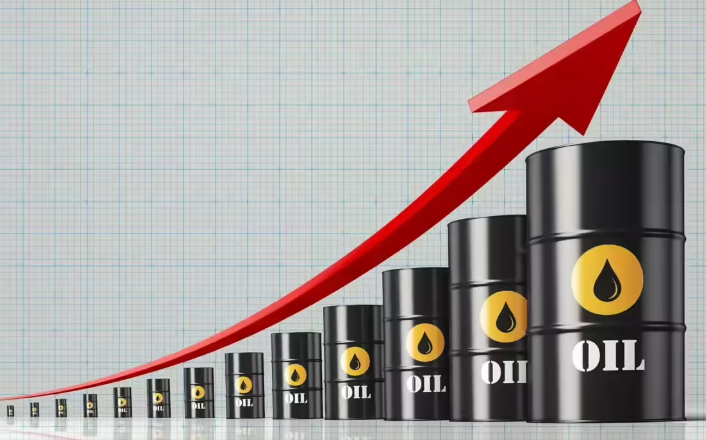
    Global Oil Prices and Bond Yields Surge Amid Rising Tensions with Iran

    Welcome back to this week’s market pulse, where geopolitics and economics often collide in ways that ripple across the globe. Today, we’re diving into the recent uptick in global oil prices and bond yields, triggered by a sharp warning from former U.S. President Donald Trump directed at Iran over stalled peace negotiations. It’s a scenario that highlights how political signals can swiftly influence financial markets—and why staying informed matters more than ever.

    So, what’s driving the latest market moves? The headline here is clear: the interruption in diplomatic talks with Iran has reignited concerns about stability in the Middle East, a region crucial to oil supply chains. Trump’s public admonition adds fuel to the fire, reminding investors that geopolitical tensions remain a wildcard. As a result, oil prices have risen noticeably, reflecting fears of potential supply disruptions. This surge doesn’t just affect fuel prices at the pump—it cascades through economies worldwide, impacting everything from transportation costs to inflation rates.

    Alongside the oil price jump, bond yields have also climbed. This reaction signals investors’ shifting appetite for risk and expectations about future economic policies. When bond yields rise, it can indicate anticipation of higher inflation or interest rates, often linked to geopolitical uncertainty or market volatility. Together, the movements in these financial indicators paint a picture of a market bracing for more turbulence ahead.

    For those watching closely, these developments underscore the delicate balance that global markets maintain between diplomacy and economics. The stalled peace talks with Iran are more than just a political headline—they’re a reminder that international relations have real, measurable impacts on everyday financial realities. Whether you’re an investor, a business owner, or simply someone curious about world affairs, this dynamic is worth keeping in your sights.

    As we wrap up this week’s take, remember that markets thrive on information and adaptability. Staying tuned to how political developments unfold can provide valuable context for understanding broader economic trends. Next week, we’ll explore how other geopolitical flashpoints are influencing global trade and what that means for the months ahead.

    Thanks for reading—here’s to staying informed and ready for whatever comes next.

  • Why does Amazon have no Western rivals?

    Why does Amazon have no Western rivals?

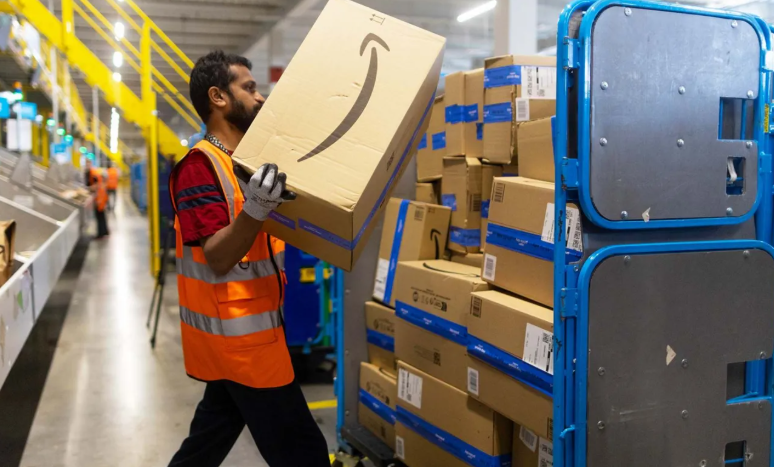
    Vitamins, repair tape and a jar of mango chutney – just some of what my household bought last month via Amazon’s sprawling online shopping platform.

    We also shopped at the company’s supermarket chain Whole Foods, streamed its TV shows, read books on Kindle e-readers, and browsed countless websites no doubt powered by Amazon Web Services (AWS), its highly profitable cloud-computing business.

    And that isn’t half of the interconnected products and services offered by the global behemoth, which earlier this year overtook US superstore giant Walmart to become the world’s largest company by annual sales.

    But why does Amazon, launched by Jeff Bezos in 1995 as an online bookstore out of a rented garage, have so few serious rivals in the West when it comes to e-commerce? Couldn’t we consumers benefit from a bit more competition?
    First, to be sure, Amazon isn’t without competitors in any of the segments it is in, including e-commerce. Major US retailers like Walmart and Target both have broad-based, rapidly expanding online retail arms, and offer their own versions of Amazon’s Prime subscription service.

    In the UK, Tesco leads in online groceries, and Zalando is Germany’s biggest internet retailer of clothing. When it comes to ultra-cheap products, Chinese websites Temu and Shein are major forces.

    Then there is eBay, which earlier this month received a $55.5bn (£41bn) takeover offer from video games retailer GameStop, though it later rejected it. Ebay has a different business model to Amazon, with its focus on auctions, second-hand goods, and collectible items.

    And while GameStop said it hoped eBay could one day become a stronger competitor to Amazon, the latter currently towers over all its rivals when it comes to total e-commerce market share.

    In the US, Amazon accounts for 40.5% of all online retail sales, while its nearest rival Walmart has 9.2%, according to figures from last month. Ebay is down at around 3%.

    Amazon also strongly dominates in the UK, where it accounts for about 30% of online retail sales.

    GameStop makes $55.5bn takeover offer for eBay

    Amazon shares fall as it joins Big Tech AI spending spree

    “Amazon is not an undisputed monopolist in e-commerce, but it is the dominant firm,” says Annabelle Gawer, director of the Centre of Digital Economy at the University of Surrey. “And the scope of what it sells is unparalleled.”

    A combination of factors has made Amazon exceptionally difficult to rival, note experts.

    One is a ‘first-mover’ advantage. Among the earliest to scale online retail – and with a clear vision of how the internet could revolutionise shopping with convenience and speed – it captured market share faster than many rivals.

    Just as important was the willingness of its shareholders, for many years, to allow the company to lose money by selling products at a loss, and later to aggressively reinvest early profits back into the business to fuel growth. To this day Amazon has never paid shareholders a dividend.

    “[The strategy] constrained the competition,” says David Yoffie, a professor emeritus at Harvard Business School (HBS). For traditional companies, pursuing the same approach would have significantly damaged their stock price and angered shareholders, he says.

    Today Amazon has a big advantage over retail rivals in that it can use funds from its most lucrative businesses – notably AWS, its main profit engine – to sustain its lower-margin retail operation and invest in new ventures.

    Positioning itself as a technology company also helped. Algorithms, automation and data have been central to Amazon’s ability to scale, driving efficiency and shaping its customer experience.

    Moreover, it has a culture of bold experimentation, says Sunil Gupta, also a professor at HBS, entering areas from cloud computing and consumer devices to own-brand products, original content production and healthcare – and moving on if something fails.

    Experts also point to two pivotal business moves. One, instituted in 2000, was to go from being an online retailer to an online platform, allowing third-party sellers to offer their goods in its online store.

    The result was a “network effect” explains Gupta. More sellers meant more products, which kept customers from going elsewhere – and in turn attracted even more sellers. “It is very hard for a new player to break that,” adds Gupta.

    The other was the launch of Amazon Prime, in the US in 2005 and the UK in 2007, offering free and fast delivery in return for an annual subscription fee. This made the platform “very sticky”, says Emily West, a professor of communication at the University of Massachusetts Amherst who has studied and written about Amazon.

    “You have the free shipping, in which case you may as well just search for your stuff on Amazon,” she says.

    While Prime itself is not particularly profitable – most of Amazon’s e-commerce profits come from advertising and third-party seller fees – what is included with Prime has grown to a broad bundle, from a vast library of movies and shows to stream, including Amazon’s own content, to discounts at US Whole Foods, making membership even harder to cancel.

    “Amazon is not just a website that sells products,” says Gawer. “It’s an ecosystem of multiple businesses that are reinforcing each other… which makes it very hard to compete with.”

    But there could additionally be another reason Amazon lacks rivals – behaviour that some allege violates competition law, preventing existing competitors from growing and new ones from emerging.

    In the US, both the Federal Trade Commission (FTC) and the state of California have separate antitrust lawsuits against Amazon set for trial in early 2027, alleging the company uses unlawful practices to maintain its dominance and harm competition, with California last month releasing a trove of evidence.

    Amazon denies the allegations and is fighting the legal action.

    The FTC case is broad, but a key allegation is that Amazon prevents new or smaller marketplaces from gaining a foothold because it stops them from competing on price.

    It is accused of penalising its sellers – for example by lowering their product’s visibility in search results or removing their “Buy Box” – if it finds they have lower prices on other websites.

    The alleged result is that shoppers have little incentive to leave Amazon because prices are the same and rival platforms’ typical strategy of lowering fees for sellers to encourage cheaper prices fails because sellers fear losing sales on Amazon.

    One solution some have called for is to break Amazon into multiple stand-alone companies. “It would oxygenate the market,” says Stacy Mitchell is co-executive director of the US based non-profit Institute for Local Self-Reliance, which is part of the Athena coalition fighting to change the way Amazon operates.

    Others, however, see a breakup as unlikely – Google, for example, avoided one in its recent competition case.

    Meanwhile with deep pockets – hundreds of billions if not trillions – and enough time, most experts agree a company could build a copycat of Amazon’s e-commerce platform. It would be cheaper, of course, for an incumbent such as Walmart, which is clearly borrowing elements of Amazon’s playbook.

    Yet Amazon’s next threat may not come from another conventional retailer at all.

    There is a very different kind of shopping experience on the horizon. E-commerce is starting to be embedded directly in generative AI interfaces like ChatGPT, letting users buy products without leaving the sites – a development that could threaten Amazon’s dominance in online retail.

    “You aren’t necessarily seeing a company that is impossible to compete against,” sums up Yoffie.

  • How worrying is the Ebola outbreak in DR Congo?

    How worrying is the Ebola outbreak in DR Congo?

    The outbreak of Ebola in the Democratic Republic of Congo is concerning.

    It has been spreading for weeks undetected in a part of the world where civil war makes getting on top of the virus difficult, and the species of Ebola involved is rare, so there are fewer tools to stop a virus that kills around a third of people infected.

    This is a critical moment in an outbreak where there is uncertainty about how far it has spread, but there are already almost 250 suspected cases and 80 deaths.

    Most Ebola outbreaks tend to be small, but specialists are haunted by the 2014-16 outbreak. Then, 28,600 people in West Africa were infected in the largest ever outbreak of the disease.

    The declaration of a public health emergency of international concern by the World Health Organization (WHO) does not mean we are in the early stages of a Covid-style pandemic.

    The risk Ebola poses to the whole world remains tiny.Even in the 2014-16 outbreak, there were only three cases in the UK and all were healthcare workers who had volunteered to help.

    “But it does reflect that the situation is complex enough to require international coordination,” says Dr Amanda Rojek, from the Pandemic Sciences Institute at the University of Oxford.

    After all, there is still a significant threat to neighbouring countries like Uganda, South Sudan and Rwanda, considered high risk because of close trade and travel links.

    Two people have already been confirmed to have the virus in Uganda, of whom one has died.

    WHO declares Ebola outbreak in DR Congo an international emergency

    Ebola is a severe and deadly disease, although it is thankfully rare. Ebola viruses naturally infect animals – mainly fruit bats – but people can become infected if they come into close contact.

    This outbreak is being caused by the Bundibugyo species of Ebola – it is one of three species known to cause outbreaks but is relatively unfamiliar.

    Bundibugyo has caused only two outbreaks before – in 2007 and 2012 – where it killed around 30% of people infected.

    Bundibugyo poses a series of challenges. There are no approved vaccines or drug treatments for Bundibugyo, although there are some experimental ones, unlike other species of Ebola virus.

    And tests to determine whether somebody has the infection do not appear to work well. Initial results in the outbreak were negative for Ebola virus, and more sophisticated laboratory tools were required to confirm Bundibugyo was involved.

    Dealing with Bundibugyo is “one of the most significant concerns” in this outbreak, says Prof Trudie Lang from the University of Oxford.

    Symptoms are thought to appear between two and 21 days after somebody is infected.

    Initially they are like developing the flu – fever, headache and tiredness. But as Ebola progresses, it leads to vomiting, diarrhoea, and the body’s organs not working. Some patients develop internal and external bleeding.

    With no approved drugs designed to target Bundibugyo virus, treatment relies on “optimised supportive care” including managing pain, other infections, fluids and nutrition. Early care improves the odds of surviving.

    Ebola spreads through infected bodily fluids such as blood and vomit, although this does not normally occur until symptoms have appeared.

    The first known case was a nurse who developed symptoms on April 24. It has since taken three weeks to confirm an outbreak is happening.

    “Ongoing transmission has occurred for several weeks, and the outbreak has been detected very late, which is concerning,” said Dr Anne Cori from Imperial College London.

    It means health officials are behind where they would like to be in stopping the outbreak, which the WHO says points towards a “potentially much larger outbreak than what is currently being detected and reported”.

    The main method will be rapidly identifying who is infected, and to whom they may have passed the virus.

    There will also be efforts to prevent Ebola spreading through hospitals and other treatment centres, which will be dealing with patients when they are most infectious. And to ensure anyone who dies and whose body remains infectious has a safe burial.

    This will be a challenge due to the number already infected, and made worse as it is taking place in a conflict-torn part of DR Congo that has more than 250,000 people displaced from their homes.

    “Many of the affected areas are mining towns with highly mobile and transient populations. This mobility increases risk as people move between communities and across borders,” says Lang.

    However, DR Congo does have extensive experience in dealing with Ebola outbreaks and the response is “significantly stronger today than it was a decade ago”, says Dr Daniela Manno from the London School of Hygiene & Tropical Medicine.

    Whether this outbreak can be quickly contained or spirals into a repeat of what happened just over a decade ago will be determined by the response now.

  • Trump and Xi conclude ‘very successful’ talks but few deals confirmed

    Trump and Xi conclude ‘very successful’ talks but few deals confirmed

    US President Donald Trump left Beijing after a two-day summit saying he had struck “fantastic trade deals, great for both countries”, but few details have emerged on what the two superpowers agreed.

    Trump arrived for a high-stakes summit with Chinese leader Xi Jinping on Wednesday, accompanied by several CEOs: a high-profile business delegation spanning agriculture, aviation, electric vehicles and artificial intelligence (AI) chips.

    Trade was near the top of the agenda despite recent tensions over the Iran war, and businesses hoped for key deals as well as an extension of the tariff truce that is due to expire in November.

    The visit was defined by warm rhetoric and symbolism. Trump was wooed with a packed itinerary that included an honour guard, a state banquet, and an invitation to the exclusive compound where China’s Communist Party leaders live and work.

    The US president seemed impressed and invited Xi to the White House in September. He said talks had been “very successful”, while Xi called it a “historic and landmark” visit.

    China’s Foreign Minister Wang Yi confirmed on Friday that Xi would visit the White House in the autumn.

    But neither side has announced trade breakthroughs or significant business deals.

    President Trump, however, spoke to reporters aboard Air Force One and said China had agreed to buy 200 Boeing jets, with a potential commitment to buy an additional 750 planes. The aerospace giant confirmed the deal.

    Trump also said American farmers will be happy with his trade deals because China would be buying “billions of dollars” of soybeans.

    There has been no confirmation of any deals or purchases from the Chinese.

    If the Boeing orders are finalised, this would be the plane-maker’s first major Chinese deal in nearly a decade. It was largely shut out of the world’s second-largest aviation market because of trade tensions between Beijing and .

    0:39Trump touts potential Boeing deal with China

    Asked about Trump’s earlier comments to Fox News in which he said deals had been made, Chinese foreign ministry spokesperson Guo Jiakun only said that the “essence of China-US economic and trade relations is mutual benefit and win-win co-operation”.

    He added that both sides should work to implement the “important consensus” reached by the two leaders and bring greater stability to bilateral trade ties and the global economy.

    There are still questions over the trade truce agreed in October, when Washington suspended steep tariff increases on Chinese goods while Beijing eased back from restricting rare earth exports critical for manufacturing.

    Suprisingly Trump told reporters on Air Force One that he and Xi did not discuss tariffs at all.

    The White House however said both leaders agreed to establish a “Board of Trade” to manage the relationship without having to reopen tariff negotiations.

    US Treasury Secretary Scott Bessent, who had been leading trade talks for Washington, said in a pre-recorded interview with CNBC that he expected progress on a mechanism to support future investment.

    US officials have cautioned, however, that there is a lot of work to be done before these announcements can go into effect.

    Tech and trade

    One of the most closely watched moments came as Air Force One touched down in Beijing on Wednesday night.

    Tesla CEO Elon Musk stepped off the plane ahead of senior officials including Pete Hegseth, Marco Rubio and Greer – a sign of the crucial economic agenda that lay ahead.

    And Musk and US chipmaker Nvidia’s boss Jensen Huang stayed close to Trump during the welcome ceremony, and were prominent during the banquet.

    Huang’s appearance was notable because he was not meant to be part of the delegation originally – but when he joined the trip, it fuelled speculation that AI and access to chips was a bigger part of the talks than previously thought.

    With electric vehicles, AI and semiconductors becoming key battlegrounds in the US-China rivalry, both Tesla and Nvidia are very exposed to China.

    Tesla relies heavily on its Shanghai gigafactory and Chinese consumers, while Nvidia wants to be able to start selling advanced chips to China again, which is currently prohibited by US export controls.

    US export controls are aimed at limiting China’s access to frontier AI capabilities, but Greer said they were not a major talking point at the summit.

    Beijing, however, continues to push for greater access to advanced tech, while criticising what it sees as efforts to constrain its industrial development.

    AI was expected to be a big part of conversations. “We talked about possibly working together for guardrails”, Trump told reporters. When asked about what kind of guardrails, he added: “Standard guardrails that we talk about all the time.”

    Selling to China

    Last year’s tit-for-tat tariff war also hit American farmers, who want to export more soybeans, beef and poultry to China.

    According to US trade representative Jamieson Greer, deals on Chinese purchases of US agricultural products have been firmed up. But China’s foreign ministry did not confirm any such new deals, saying only that both sides had agreed to maintain stable trade ties and expand co-operation based on “equality, mutual respect and mutual benefit”.

    The White House said the talks also touched on expanding Chinese market access for US companies and increasing Chinese investment in US industries.

    While China is a major market for US companies, it is also a difficult operating environment because of regulation, red tape and geopolitical uncertainty.

    But Beijing seemed to strike a positive note on this issue. Xi told US business leaders that China’s “doors will open wider” and that American firms would have “broader prospects” in the Chinese market, according to news site Xinhua.

    He also called for expanded co-operation in trade, agriculture, healthcare, tourism and law enforcement, describing bilateral ties as “mutually beneficial” and delivering “win-win results”.

    The red line: Taiwan

    Taiwan, the US ally and self-governed island that Beijing claims, has largely been treated as one of several friction points between the US and China during trade talks over the past year.

    But this time Beijing linked Taiwan to the broader economic relationship with the United States.

    According to Beijing’s readout, Xi said the two sides had agreed to a “new positioning” for relations based on “constructive strategic stability”, but issued the now-familiar warning that Taiwan remained the most sensitive issue.

    “The Taiwan question is the most important issue in China-US relations,” Xi warned during the talks, according to Chinese state media.

    “If mishandled, the two nations could collide or even come into conflict,” he said.

    Taipei would be watching closely but it’s hard to say yet if and how this will affect US collaboration with semiconductor companies in Taiwan, or its long-standing close relationship with the island.

    Unresolved fault lines

    The war against Iran and the resulting blockade of the Hormuz Strait was a key part of the agenda, and Trump entered the talks hoping for Chinese co-operation on the Iran conflict and the oil market.

    Trump has said that China could use its influence to encourage Iran to stabilise flows through the Strait of Hormuz, a key global energy artery.

    “[Xi would] like to see the Hormuz Strait open, and said ‘if I can be of any help whatsoever, I would like to help,’” Trump told Fox News.

    The Chinese foreign ministry was more vague, and released a statement on Friday calling for “a comprehensive and lasting ceasefire”.

    “Shipping lanes should be reopened as soon as possible in response to the calls of the international community,” it added.

    Chinese readouts indicated that while the Middle East was discussed, details were limited.

    The conflict is a challenge for the Chinese economy too. Oil price volatility and repeated disruptions to supply routes have increased China’s import costs and pushed up prices across the world.

    Trump has already invited Xi to ​the White House ​in September for a second summit.

    Discussions between the two sides are expected to continue ahead of that summit, with the hope that the world’s two biggest economies can deliver a major breakthrough on trade that proved elusive this time around.